
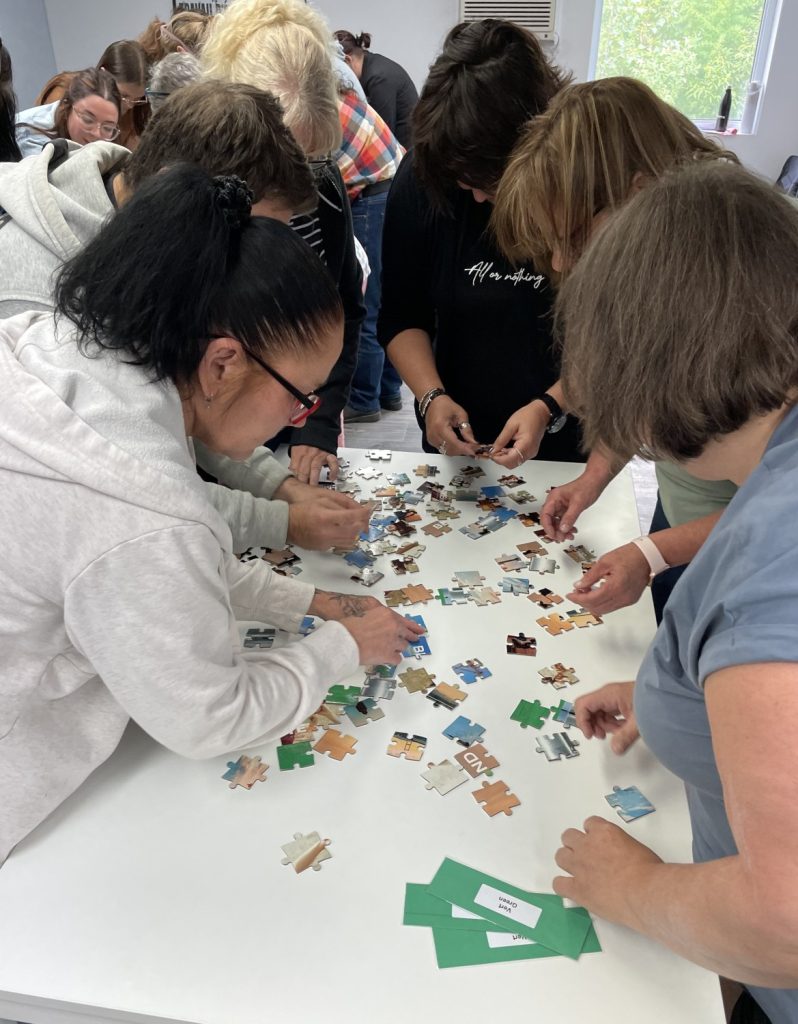
Trend:
With so many “new faces” and the increased popularity of hybrid work models, companies are turning to team building activities to help employees get to know each other better.
Tricks:
Many activity suppliers put an emphasis on simply having fun as the corner stone to team building.
The statement “People who play together, stay together” would lead one to believe that if they have fun together, they will like each other and therefore be a much more effective, resilient, and long-lasting team.
Truths:
- Getting to know each other better does not always lead to LIKING each other nor to working better together. To work better together, you need to first and foremost build TRUST.
- People often equate liking someone to trusting that person. As such, likeable people tend to gain their colleagues’ trust before they have earned it or deserve it.
- When we like someone, we have a much higher tendency to “trust” them and forgive them if they don’t deliver.
- You can like someone but not trust that they will get the job done.
- You don’t have to like someone to trust that they’re going to get the job done and contribute to the success of your team.
Insights:
An effective team building session provides a structured opportunity to explore the benefits of trust in an engaging and safe learning environment.
Participants should have the opportunity to demonstrate some of the strengths, competencies, and experiences they have that others may not have known about them.
Whatever activity you choose to do, you should frontload the session by making the participants responsible for the outcomes. Let them know that they will be required to reflect on their contributions throughout the event by answering the following questions:
- “How have my actions and behaviours contributed to building my colleagues’ trust in me?”
- “How have my actions and behaviours contributed to building a culture of trust within my organization?”
Give concrete examples of actions and behaviours that should be avoided. Here are some that I use:
1. Talking while someone is sharing some insights or ideas.
2. Giving up the moment someone disagrees with you, or you feel you haven’t been heard.
3. Having side conversations about topics unrelated to the activity.
4. Caring only about yourself and your own performance instead of contributing to the success of others.
5. Phone and laptop distractions. If you need to take an important call or reply to an urgent message, no problem. Leave the room and come back when you can fully engage in the process.
6. Providing excuses instead of proactively looking for solutions.
7. Joking around such as shouting out platitudes like “Teamwork makes the dream work! Hahahah!” If at that moment you can’t think of anything insightful to contribute, then take the time to simply listen. It’s important to have fun and some light-hearted humour can be pleasant, but a lot of participants unintentionally derail the process when they joke around too much.
TIPS:
- During the session, have participants focus on their own actions and behaviours, not the negative ones of others. You don’t want the session to become a massive argument or battle of wits.
- You can ask the participants to point out some examples of actions and behaviours that they personally exhibited (not what they witnessed) that are on the “to be avoided” list. This helps participants to identify habits they didn’t realize can negatively impact the group AND it goes a long way to building trust.
- Allow participants to appreciate and acknowledge the positive contributions of others.
- Do not take your team bowling, go karting, ax throwing, or any other team bonding activity (often falsely labelled “team building”) if you want to work on building trust.
Once the foundation of trust has been established, your team can afford to engage in activities that will increase the bond amongst the group.
Final thoughts:
In an ideal work environment, most people would prefer to like their colleagues. It is so much nicer to be surrounded by people we like.
Although, I highly recommend efforts be made to ensure people like each other, there is a greater need to first and foremost trust the people you work with.
Without trust, some people will assume more of the workload to compensate for the people they don’t trust (especially if they like them).
Within a short period of time, if trust is lacking, a person’s likeability will become less relevant.
Before you know it the resentment towards someone you originally liked will build, causing disappointment, frustration and eventually a rift in the relationship.
Here are a few of our activities that work on trust:
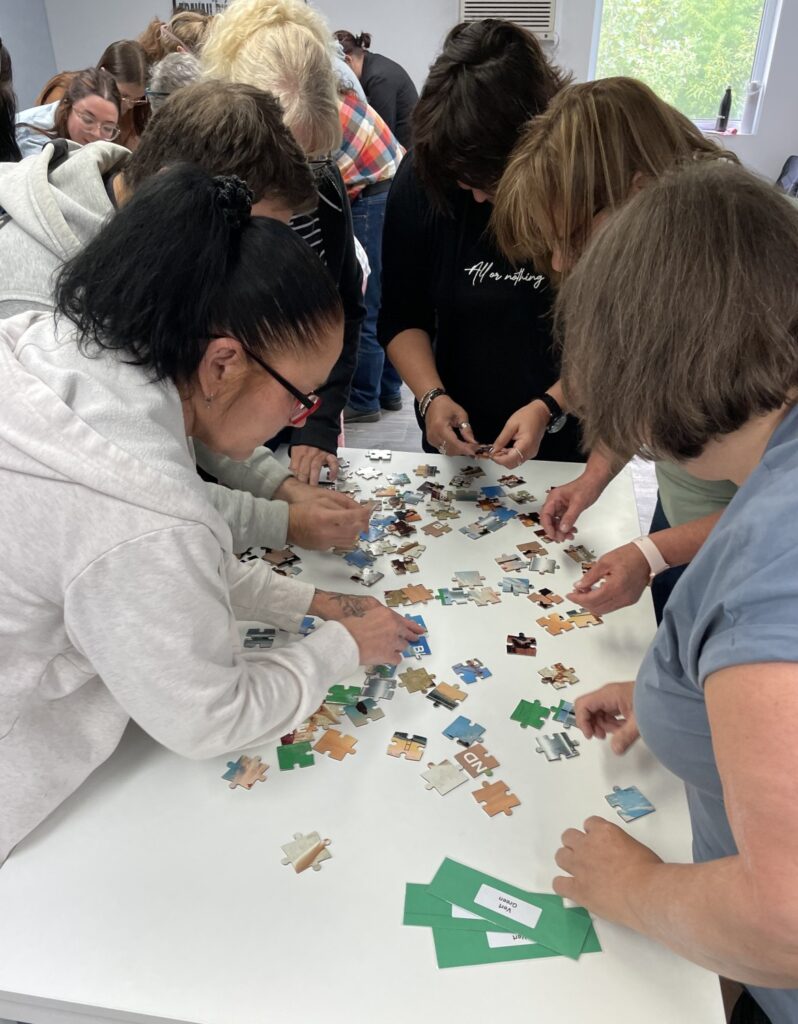
Puzzle Challenge: https://tbmoq.ca/program/puzzle-challenge/
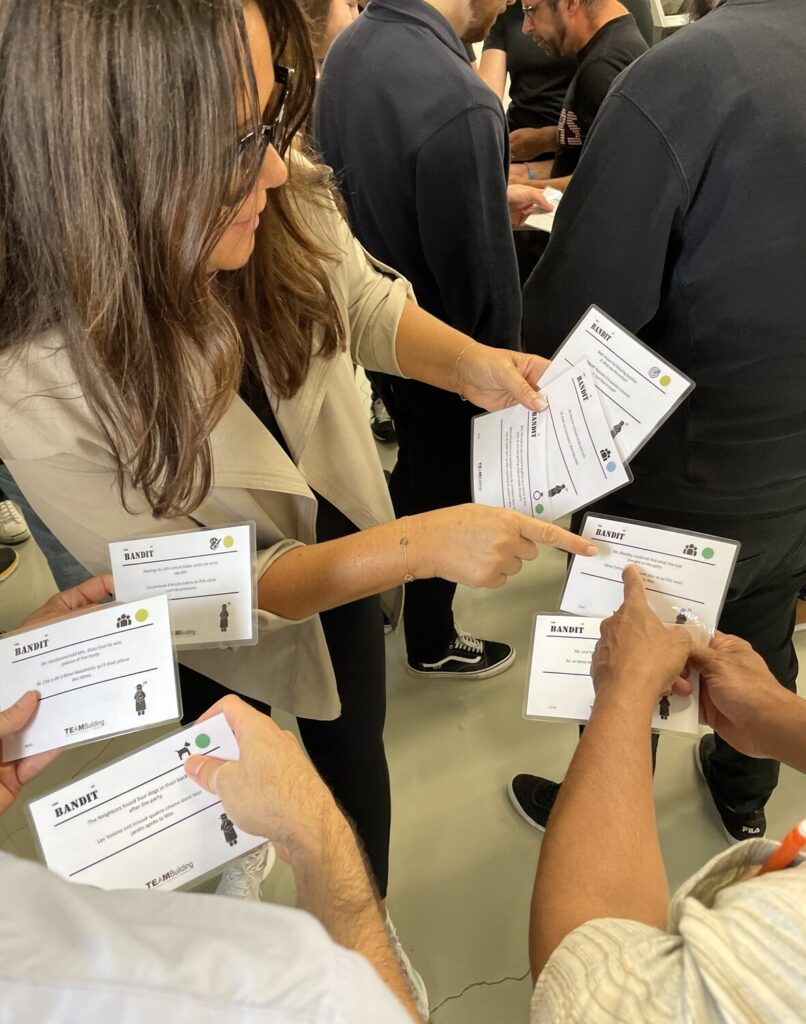
The Bandit (offered virtual and now in-person):https://tbmoq.ca/program/the-bandit/
The Ramp: https://tbmoq.ca/program/the-ramp/
Read the original article on LinkedIn here.